AGP Executive Report
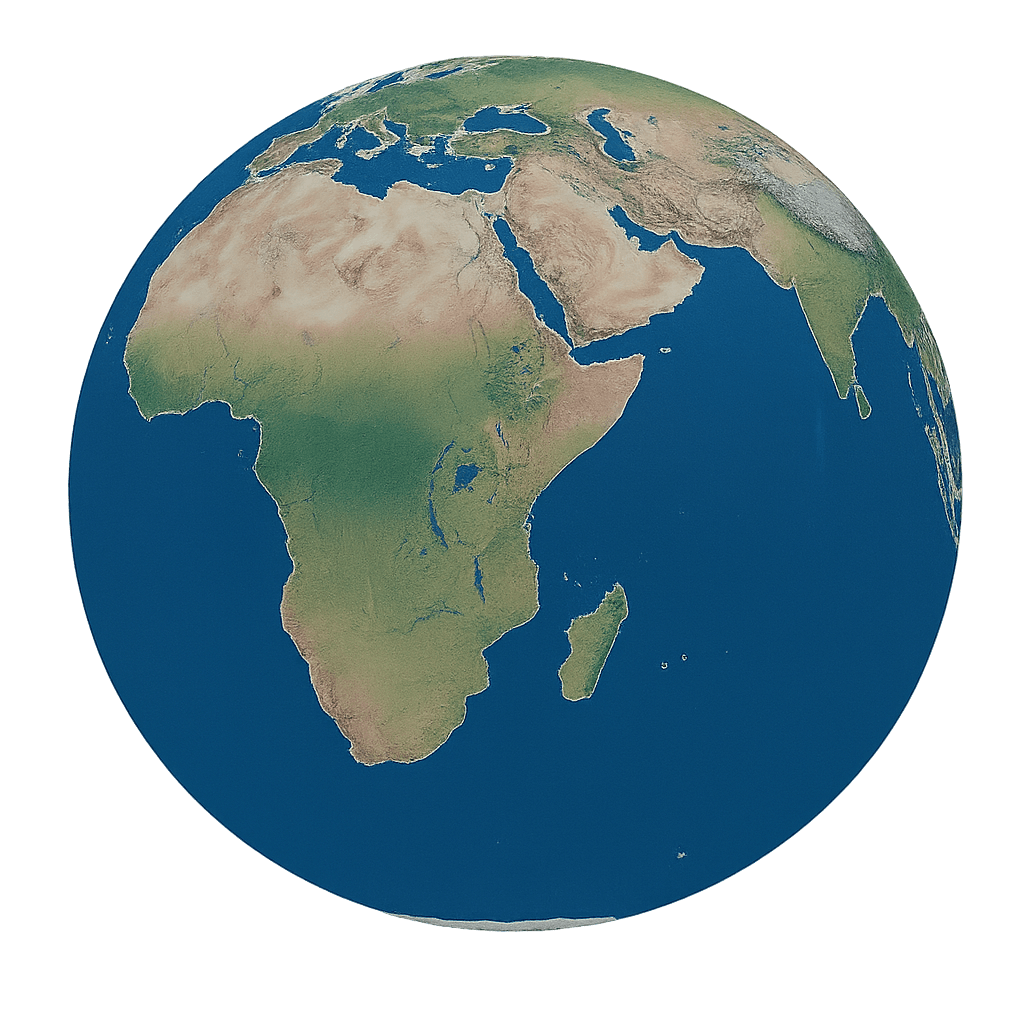
Last update: 10 hours agoQuality of Life: Cabo Verde ranked fifth in Africa and 94th globally in the 2026 Social Progress Index, which measures social and environmental conditions across 57 indicators. Regional Water Cooperation: A new ECOWAS forum will bring West African water and sanitation stakeholders together every two years to share solutions and strengthen climate resilience. Cabo Verde is the region’s only country that does not share a watercourse with a neighbour.
Note: AI summary from news headlines; neutral sources weighted more to help reduce bias in the result. Feedback is welcome. Please let us know if you have any comments or suggestions about the AGP Executive Report.
 Perspectify News